
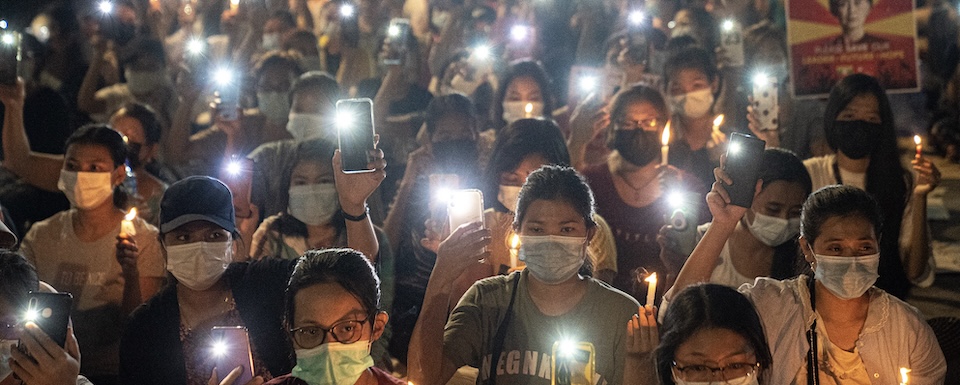
In late 2025, Open Briefing concluded a 12-month initiative with the Exile Hub, addressing one of the most urgent yet overlooked needs of human rights defenders and journalists in exile: access to grassroots-led wellbeing and mental health support.
For many who fled Myanmar after the 2021 coup, the psychological toll of repression, displacement, and loss continues long after reaching physical safety. Many are now rebuilding their lives in precarious conditions in Thailand. As Yucca Wai, research director at the Exile Hub, reflected, “For many human rights defenders, mental health can get overlooked in the face of more immediate physical dangers, but the invisible scars can last much longer, affecting their ability to lead a normal life.”
To address this need, and the scarcity of trained mental health and psychosocial support (MHPSS) providers accessible to exiled activists, Open Briefing and the Exile Hub launched a 12-month mentoring programme on World Mental Health Day 2024. The initiative equipped a community of six counsellors and MHPSS practitioners living and working in Thailand and along the Myanmar border with trauma-informed skills. This enabled them to support many activists and their families, reducing vulnerability to harm, burnout, and re-traumatisation.
Throughout the year, Open Briefing’s wellbeing and resilience team delivered structured one-to-one mentoring, group reflective practice sessions, and tailored guidance for this community of counsellors, covering topics from crisis intervention to culturally sensitive trauma care. Working closely with the Exile Hub, we also supported the development of community-based peer support structures and reflective practice groups to ensure care for activists could continue beyond the project.
For many activists this was the first time they had access to dedicated online and in-person spaces to process their own trauma, an essential foundation for reengaging with their work and even signposting family, friends, and colleagues to professional support. Visual works, anonymously submitted by activists and published during the project by Open Briefing and the Exile Hub, often highlighted the immense psychological weight carried into exile.
This collaboration reinforced that relocation alone is not protection, a guiding principle from our report, Rethinking International Relocation: A Strategy of Last Resort. Even after reaching safety, activists face ongoing threats, survivors guilt, trauma, digital insecurity, and isolation. As the Exile Hub reflected: “This initiative is crucial for helping human rights defenders not only survive, but thrive, despite ongoing challenges. By fostering networks and partnerships with organisations like Open Briefing, we bolster our collective capacity to respond to crises and support those on the front lines.”
As the project closes, its impact lives on in a strengthened mental health and wellbeing ecosystem available to activists in exile across Thailand. Grounded in grassroots expertise, shared learning, and lived experience, displaced activists are better able not only to survive exile but to heal, reconnect, and continue their fight for justice and freedom.
Access further support and get involved
Open Briefing provides fully-funded assistance to activists and organisations facing threats related to their work. You can request support through our responsive assistance mechanism.
If you’re a foundation or philanthropist who believes in protecting the people who defend human rights, we’d love to hear from you. Contact our director of development, Vicky Nida at [email protected] to discuss how you can join our incredible community of donors or read more about how Open Briefing works with foundations to strengthen civil society in our latest blog.